




Finding a protein source that fits your routine, tastes good, and aligns with your goals can feel overwhelming. Between whey isolates, plant blends, collagen options, and high-protein foods, the choices multiply quickly. “Good Protein” has become a shorthand for many people searching for cleaner, plant-based shakes that deliver more than just grams of protein. This guide explains what makes a protein source worthwhile, how to evaluate powders, and how a product like Good Protein fits into a practical approach for readers in the USA, UK, and Canada.
What Makes a Protein Source “Good”?
Protein quality depends on more than the number on the label. A useful protein source supplies essential amino acids your body cannot make, is reasonably digestible, and fits the rest of your diet without excess sugar, artificial additives, or digestive discomfort.
Complete proteins contain all nine essential amino acids. Animal sources such as eggs, dairy, poultry, fish, and lean meat are typically complete. Many plant proteins are incomplete on their own, but combining sources (or using a well-formulated blend) can cover the full amino-acid profile. Pea protein, for example, is commonly paired with other plant ingredients to improve completeness.
Digestibility and leucine content also matter for muscle protein synthesis. Whey protein is often praised for rapid absorption and high leucine, while certain plant proteins digest more slowly and may benefit from complementary ingredients. Beyond the protein itself, the overall package—fibre, micronutrients, added sugars, and potential allergens—determines whether a food or powder supports daily health rather than simply adding protein.
High-protein foods remain the foundation for most people. Examples include:
- Lean poultry or turkey
- Eggs
- Greek yogurt or cottage cheese
- Fish such as salmon or tuna
- Legumes (lentils, chickpeas, black beans)
- Tofu, tempeh, or edamame
- Nuts, seeds, and nut butters in moderation
These whole-food options supply protein along with fibre, healthy fats, vitamins, and minerals. Protein powders and shakes are convenient supplements when whole-food intake falls short—after workouts, during busy days, or when appetite is low.
How to Choose a Protein Powder That Fits Your Needs
Secondary searches often focus on specific goals: best protein powder for women, best vegan protein powder, best protein powder for weight loss, best plant-based protein powder for muscle gain, best tasting protein powder, and so on. The right choice depends on dietary preferences, tolerance, and primary objective.
Plant-Based vs Whey and Other Animal Proteins
Whey and whey isolate remain popular for muscle recovery and rapid absorption. Casein digests more slowly. Plant-based options (pea, rice, hemp, or blends) suit people who avoid dairy, follow a vegan or vegetarian diet, or prefer lower environmental impact. Modern plant blends have improved in texture and amino-acid completeness compared with earlier generations.
Dairy-free and lactose-free formulas help those with sensitivities. Organic or “clean” protein powders typically emphasise minimal processing, non-GMO ingredients, and absence of artificial colours, flavours, or sweeteners.
Matching Powder to Goals
- Weight management or satiety: Look for moderate calories, higher fibre, and low or no added sugar. Protein helps with fullness, but total calorie balance and overall diet still drive results.
- Muscle gain or recovery: Adequate protein (often 1.6–2.2 g per kg of body weight for many active adults, though individual needs vary) plus resistance training matters more than any single product.
- Women’s health considerations: Some prefer formulas with added nutrients or lower calorie density; others simply prioritise taste and digestibility. No single powder is universally “best for women.”
- Digestive comfort: Prebiotics, probiotics, or digestive enzymes appear in some formulas to support gut comfort. Individual responses differ.
- Taste and mixability: Many people abandon protein powders because of chalky texture or aftertaste. Flavours that resemble familiar desserts or drinks tend to improve consistency of use.
Always read the full ingredient list and nutrition panel. Serving size, protein per scoop, sugar content, sodium, and any allergens matter more than marketing claims.
A Closer Look at Good Protein
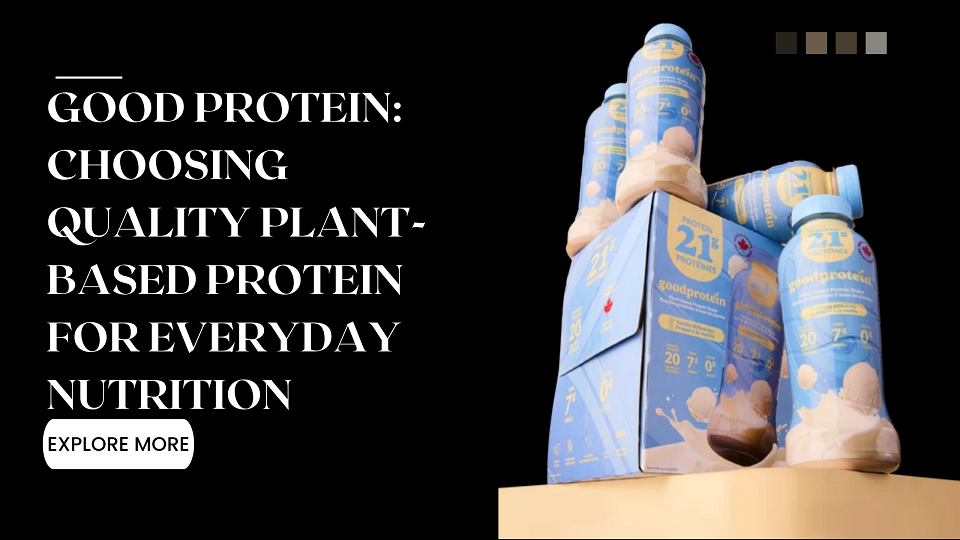
Good Protein is a Montreal-based Canadian brand focused on plant-based nutrition. Its flagship All-in-One Shake typically provides 21 g of plant-based protein (primarily from pea protein with milled golden flaxseed), 7 g of fibre, and a range of vitamins and minerals derived from a blend of fruits, vegetables, and mushrooms, along with probiotics and digestive enzymes. The formula is vegan, dairy-free, gluten-free, non-GMO, and free from added sugar in many flavours. Calories per serving are generally around 170, with low net carbohydrates for those tracking macros.
The brand emphasises creamy texture and dessert-inspired flavours such as Vanilla Milkshake, Chocolate Fudge, Cookies & Cream, Salted Caramel, and others. Products are made in Canada. Additional offerings include higher-protein options, clear protein with electrolytes, ready-to-drink bottled shakes, and a plant-based collagen booster (which supports the body’s own collagen production via nutrients such as vitamin C rather than supplying animal collagen).
These features address common complaints about plant-based powders: grittiness, limited nutrition beyond protein, and digestive discomfort. The All-in-One approach aims to deliver protein plus fibre, micronutrients, and gut-supportive ingredients in one scoop. It is positioned as a convenient daily shake or smoothie addition rather than a formal meal replacement. Availability is strongest in Canada (including online at goodprotein.ca and selected retailers), with growing interest from customers in the USA and UK seeking clean plant-based options.
As with any supplement, quality depends on consistent manufacturing standards, third-party testing where applicable, and transparent labelling. Individual taste preferences and tolerance vary.
Practical Ways to Use Protein Powders and High-Protein Foods
- Mix one scoop with water or plant milk in a shaker for a quick post-workout or mid-afternoon option.
- Blend into smoothies with fruit, greens, or nut butter for extra volume and nutrients.
- Stir into oatmeal, yogurt, or overnight oats.
- Use in baking (pancakes, muffins, energy bites) when the flavour profile suits.
- Pair a shake with a piece of fruit or a handful of nuts if you need more sustained energy.
Whole-food high-protein meals should still form the base of most days. A sample pattern might include eggs or Greek yogurt at breakfast, a lentil or chicken salad at lunch, fish or tofu at dinner, and a protein shake only when needed to reach daily targets.
Common Questions About Good Protein and Quality Protein Choices
Is plant-based protein as effective as whey for muscle gain? Both can support muscle protein synthesis when total daily protein and training are adequate. Whey is often higher in leucine and faster-absorbing; well-formulated plant blends can still be effective, especially when total intake is sufficient.
Can protein powder help with weight loss? Protein can increase satiety and help preserve muscle during a calorie deficit. No powder guarantees fat loss. Sustainable results depend on overall diet, activity, sleep, and consistency.
Is Good Protein suitable for people with lactose intolerance or dairy allergies? Yes—the All-in-One Shake is dairy-free and vegan. Always check the current label for potential cross-contamination statements if you have severe allergies.
How does it compare to other “clean” or organic protein powders? It emphasises natural flavours, no added sugar, fibre, micronutrients, and digestive support. Compare the full nutrition panel, ingredient list, price per serving, and third-party testing information with any alternative you consider.
Should I use a protein powder every day? Only if it helps you meet your protein needs conveniently. Many people thrive on whole-food sources alone. Excess protein beyond requirements is not automatically beneficial and may displace other nutrients.
Is it a meal replacement? The brand notes that the All-in-One Shake is not officially recognised as a meal replacement by Canadian authorities. It works well as a snack or nutrient-dense addition to meals.
Where can I buy it and what is the return policy? Products are available at goodprotein.ca, selected Canadian retailers, and some online marketplaces. The brand offers a 60-day satisfaction guarantee with specific terms (check the current policy for details).
Putting It All Together
Good protein starts with understanding quality—amino-acid profile, digestibility, overall nutrition, and how the food or powder fits your life. Whole foods remain the foundation. Protein powders become useful tools when they solve a real problem: convenience, taste, dietary restrictions, or a shortfall in daily intake.
Plant-based options such as Good Protein offer a practical route for people who prefer dairy-free, vegan, or lower-sugar formulas with added fibre and micronutrients. Explore the range, flavours, and full ingredient details directly at goodprotein.ca. Pair any supplement with balanced meals, strength training if muscle is a goal, and professional guidance when needed. The most effective protein strategy is the one you can sustain.