



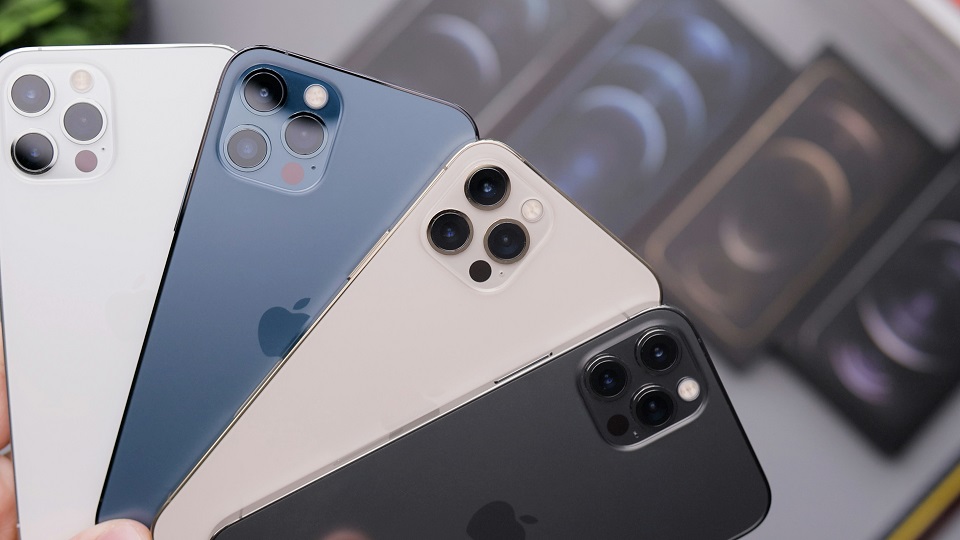

Meta Description: From the latest iPhone 17 to the budget-friendly iPhone SE, this comprehensive Apple iPhone series review breaks down every model—so you can find your perfect match.
Introduction: The iPhone Dilemma
Let’s be honest—choosing an iPhone in 2026 feels like standing in front of a dessert table with twenty options and only one plate. Do you go for the bleeding-edge iPhone 17 Pro Max with its titanium frame and insane camera zoom? The surprisingly thin iPhone Air that feels like holding a sheet of glass? Or do you save a few hundred bucks and grab a perfectly capable iPhone 14 or iPhone 13?
I’ve tested nearly every Apple iPhone model released in the last five years—from the compact iPhone 13 mini to the massive iPhone 14 Pro Max—and I’m here to cut through the noise. This isn’t just another spec sheet dump. This is the Apple iPhone series review that finally answers the question: which iPhone is actually right for you?
The Evolution of Apple’s iPhone Lineup
Apple’s smartphone strategy has shifted dramatically. Gone are the days of a simple “new iPhone” and “old iPhone” choice. Today’s lineup spans multiple price tiers, sizes, and feature sets—confusing even for die-hard Apple fans.
Here’s what the current iPhone series looks like in 2026:
| Model | Screen Size | Key Feature | Starting Price (approx.) |
|---|---|---|---|
| iPhone 17 Pro Max | 6.9″ | Best camera, A19 Pro chip | ~$1,199 |
| iPhone 17 Pro | 6.3″ | ProMotion, titanium | ~$1,099 |
| iPhone 17 | 6.1″ | Best all-rounder | ~$799 |
| iPhone Air | 6.1″ | Ultra-thin 5.6mm design | ~$899 |
| iPhone 16 Pro Max | 6.9″ | 5x optical zoom, A18 Pro | ~$1,099 |
| iPhone 16 | 6.1″ | Solid mid-range option | ~$699 |
| iPhone 15 Pro Max | 6.7″ | Titanium, Action button | ~$999+ |
| iPhone 15 | 6.1″ | Dynamic Island, USB-C | ~$699 |
| iPhone 14 Pro | 6.1″ | Always-On Display, Dynamic Island | ~$799+ |
| iPhone 14 Plus | 6.7″ | Big screen, great battery | ~$699+ |
| iPhone 14 | 6.1″ | Solid performance, great value | ~$599+ |
| iPhone 13 Pro | 6.1″ | 120Hz ProMotion, 3x zoom | ~$499+ |
| iPhone 13 | 6.1″ | A15 Bionic, great battery | ~$399+ |
| iPhone 13 mini | 5.4″ | Compact size, full power | ~$399+ |
| iPhone SE (2022) | 4.7″ | Touch ID, budget-friendly | ~$429 |
| iPhone 11 | 6.1″ | Budget king | ~$300+ |
| iPhone XR | 6.1″ | Entry-level option | ~$250+ |
The iPhone 17 Series: Apple’s 2026 Flagship
iPhone 17 Pro Max: The Ultimate Powerhouse
If you want the absolute best iPhone money can buy in 2026, the iPhone 17 Pro Max is it. Period.
The A19 Pro chip delivers performance that makes multitasking feel effortless—whether you’re editing 4K video, playing graphics-intensive games, or juggling a dozen apps at once. The 6.9-inch Super Retina XDR display with 120Hz ProMotion is buttery smooth, and the battery life is genuinely impressive, thanks to the efficiency of the new chip.
But the real star? The camera system. The iPhone 17 Pro Max features Apple’s most advanced camera array yet, with enhanced low-light performance and computational photography that makes every shot look like it was taken by a pro.
Who it’s for: Content creators, photographers, power users, and anyone who wants the absolute best.
iPhone 17 Pro: Flagship Power in a Smaller Package
The iPhone 17 Pro delivers nearly everything the Pro Max offers in a more pocket-friendly 6.3-inch size. You get the same A19 Pro chip, the same ProMotion display, and the same pro-level camera features—just without the massive screen and price tag.
Who it’s for: People who want pro features but don’t want a phablet.
iPhone 17: The Best All-Rounder
Here’s the thing about the standard iPhone 17—it’s the closest the base model has ever been to the Pro. Apple has closed the gap significantly, making this arguably the iPhone most people should buy right now.
You get a 120Hz ProMotion display (a feature previously exclusive to Pro models), excellent cameras, and the A19 chip—all without the eye-watering price tag of the flagship.
Who it’s for: Most people. Seriously. This is the sweet spot.
iPhone Air: The Thinnest iPhone Ever
The iPhone Air is Apple’s newest smartphone model, and at just 5.6mm thick, it’s “impossibly thin”. It’s a featherweight slab that prioritizes design and portability over raw power. While it lacks some features like an ultrawide camera, it’s a stunning piece of engineering for those who value aesthetics above all else.
Who it’s for: Design lovers, minimalists, and anyone tired of brick-like phones.
iPhone 16 Series: Still Worth It in 2026?
iPhone 16 Pro Max: A Year Later
The iPhone 16 Pro Max remains a powerhouse in 2026. Its 6.9-inch LTPO Super Retina XDR OLED display, A18 Pro chip, and advanced camera system—including 4K 120fps Dolby Vision video and 5x optical zoom—make it a compelling choice for anyone who wants top-tier performance without the latest price premium.
The battery life is among the best of any iPhone, and with prices dropping, it’s an excellent value for a flagship device.
Who it’s for: Bargain hunters who still want flagship features.
iPhone 15 Series: Titanium Innovation
iPhone 15 Pro Max: The Titanium Game-Changer
The iPhone 15 Pro Max was a watershed moment for Apple. Forged in titanium, it introduced the groundbreaking A17 Pro chip, a customizable Action button, and the most powerful iPhone camera system of its time.
The 5x tetraprism zoom lens (120mm equivalent) was a first for iPhone, enabling sharper close-ups and more creative framing options. The 48MP main camera and 8GB of RAM ensured it could handle anything you threw at it.
Who it’s for: People who want pro features at a discount compared to the latest models.
iPhone 14 Series: The Dynamic Island Debut
iPhone 14 Pro: The Notch Killer
The iPhone 14 Pro was a turning point for Apple. It killed the notch, introduced the Dynamic Island, and brought Always-On Display to iPhone for the first time. The 6.1-inch Super Retina XDR OLED display with 120Hz refresh rate is still gorgeous today.
The camera system remains exceptional, the battery holds up well, and performance is still remarkable even by 2026 standards. With prices now starting around $480 for unlocked models, it’s arguably the best phone you can buy for under $1,000.
Who it’s for: People who want a premium experience without paying flagship prices.
iPhone 14 Plus: Big Screen, Big Battery
The iPhone 14 Plus solves a simple problem: you want a big iPhone but don’t want to pay the Pro Max tax. For $899 at launch (now much less), you get an immersive 6.7-inch display and extra-long battery life. The cameras are stellar, it’s surprisingly lightweight, and it includes clever safety features like Crash Detection.
Who it’s for: Movie watchers, gamers, and anyone who prioritizes battery life and screen size over pro features.
iPhone 13 Series: The Value Sweet Spot
iPhone 13 Pro: Still a Powerhouse
The iPhone 13 Pro might be from 2021, but don’t sleep on it. It features a 6.1-inch Super Retina XDR ProMotion display with 120Hz refresh rate, a powerful A15 Bionic chip, and a 3x optical zoom camera.
The best part? In 2026, you can find it for prices that rival mid-range Android phones—around $500-$600. That’s flagship performance at a fraction of the cost.
Who it’s for: Value seekers who want premium features on a budget.
iPhone 13: The Reliable Workhorse
The iPhone 13 delivers solid performance, the same A15 Bionic chip as the Pro model, excellent cameras, and great battery life. It’s a no-nonsense smartphone that just works.
Who it’s for: First-time iPhone buyers and anyone who wants a reliable phone without frills.
iPhone 13 mini: The Last Small iPhone
The iPhone 13 mini is a love letter to people who hate big phones. It packs the full iPhone 13 experience—including the powerful A15 chip and MagSafe—into a tiny 5.4-inch form factor.
It’s the last of its kind, and for compact phone enthusiasts, it’s an absolute gem.
Who it’s for: Small phone lovers, people with small hands, and anyone tired of giant screens.
iPhone SE (2022): The Budget Champion
The iPhone SE (2022) starts at $429 and delivers incredible value. It has the same A15 Bionic chip as the iPhone 13 and 13 Pro, 5G connectivity, Touch ID (which many still prefer over Face ID), and excellent build quality with IP67 water resistance.
The downsides? The 4.7-inch design is dated, battery life is mediocre, and the single camera can’t compete with multi-lens systems. But at this price, it’s hard to complain.
Who it’s for: Budget-conscious buyers, first-time smartphone users, and anyone upgrading from an iPhone 8 or older.
The Older Legends: iPhone 11 and iPhone XR
iPhone 11: Still Going Strong
The iPhone 11 is the definition of “good enough.” It’s still available brand new at some retailers and can be found used for under $300. The 6.1-inch Liquid Retina display, A13 Bionic chip, and dual-camera system deliver a solid experience for basic users.
Who it’s for: The absolute budget buyer who just needs a phone that works.
iPhone XR: The Entry-Level Icon
The iPhone XR is the most affordable way to get into the iPhone ecosystem. Its 6.1-inch Liquid Retina LCD display, modern design, and dual-SIM support make it a compelling entry-level option.
Who it’s for: Students, first-time smartphone users, and anyone on a strict budget.
The Apple Watch Ecosystem: The Perfect Companion
No Apple iPhone series review is complete without talking about the Apple Watch. These devices aren’t just accessories—they’re extensions of your iPhone.
Apple Watch Series 8: The Complete Package
The Apple Watch Series 8 is the best all-around smartwatch you can buy. It adds a skin temperature sensor, low power mode, and crash detection. The always-on LTPO OLED Retina display is bright and beautiful, and the S8 chip offers snappy performance.
Starting at $400 for GPS-only models, it’s a significant investment—but for fitness tracking, health monitoring, and seamless iPhone integration, it’s unmatched.
Who it’s for: Anyone who wants the full Apple Watch experience.
Apple Watch Series 7: Almost as Good, Way Cheaper
The Apple Watch Series 7 looks nearly identical to the Series 8, with the same thin bezels, 41mm and 45mm case sizes, and 18-hour battery life. The main differences? The S7 chip is slightly slower than the S8, and it lacks the skin temperature sensor and crash detection of the newer model.
In 2026, it’s significantly cheaper and still an excellent choice.
Who it’s for: People who want a premium Apple Watch without paying for the latest features.
Apple Watch SE (2022): The Budget Smartwatch
The second-generation Apple Watch SE is the cheapest smartwatch in Apple’s lineup, starting at $249. It features a faster processor than the original, crash detection, and excellent real-world battery life. It lacks the always-on display and some health sensors of the Series 8, but for most people, it’s more than enough.
Who it’s for: First-time smartwatch buyers and budget-conscious shoppers.
Apple iPhone Series Review: Key Insights
The iPhone 17 is the best all-rounder. For most people, the standard iPhone 17 delivers the perfect balance of features, performance, and price.
The iPhone 14 Pro is the best value flagship. With prices dropping below $500 used, it offers a premium experience at a mid-range price.
The iPhone 13 mini is a hidden gem. It’s the last compact iPhone and still holds up beautifully in 2026.
The iPhone SE (2022) is the budget king. For under $450, you get flagship-level performance.
The iPhone 11 is the ultimate backup phone. It’s cheap, reliable, and still gets the job done.
Apple Watch Series 8 is the best smartwatch. But the SE is the best value.
FAQ: Your iPhone Questions Answered
1. Which iPhone is the best to buy in 2026?
The iPhone 17 is the best choice for most people, offering flagship features at a reasonable price. If you want the absolute best, go for the iPhone 17 Pro Max.
2. Is the iPhone 14 Pro still worth buying in 2026?
Absolutely. The iPhone 14 Pro features a 120Hz ProMotion display, Dynamic Island, and excellent cameras—all for a fraction of its original price.
3. Should I buy an iPhone 13 or iPhone 14?
The iPhone 14 offers better battery life, crash detection, and an extra year of software updates. But if you’re on a tight budget, the iPhone 13 is still a fantastic phone.
4. Is the iPhone SE (2022) good in 2026?
Yes—if you don’t mind the dated design. The iPhone SE (2022) has the powerful A15 chip, 5G, and Touch ID at an unbeatable price.
5. What’s the cheapest iPhone I can buy?
The iPhone XR and iPhone 11 are the cheapest options, often available for under $300 used.
6. Is Apple Watch Series 8 better than Series 7?
The Apple Watch Series 8 adds a skin temperature sensor and crash detection. Otherwise, they’re very similar. If those features matter to you, get the Series 8. If not, save money with the Series 7.
7. What’s the difference between iPhone 14 and iPhone 14 Plus?
The iPhone 14 Plus has a larger 6.7-inch display and better battery life. Everything else is基本相同.
8. Is the iPhone 13 mini too small?
That depends on your preferences. At 5.4 inches, it’s compact and lightweight. If you have small hands or hate big phones, it’s perfect. If you watch a lot of video, you’ll want a larger model.
9. Does the iPhone SE have 5G?
Yes, the iPhone SE (2022) supports 5G networks.
10. What iPhone has the best camera?
The iPhone 17 Pro Max has the best camera system, followed closely by the iPhone 16 Pro Max.
Final Verdict: Which iPhone Should You Buy?
| Your Priority | Best iPhone Choice |
|---|---|
| Best overall | iPhone 17 |
| Best camera | iPhone 17 Pro Max |
| Best value flagship | iPhone 14 Pro |
| Best budget phone | iPhone SE (2022) |
| Best small phone | iPhone 13 mini |
| Best big screen without breaking the bank | iPhone 14 Plus |
| Best entry-level | iPhone 11 or XR |