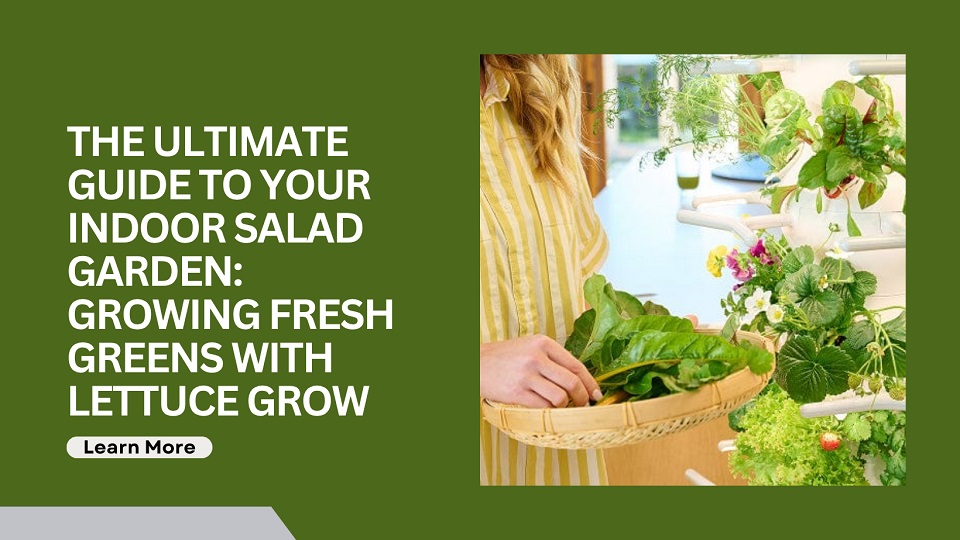
Have you ever dreamed of stepping into your kitchen and harvesting a crisp, fresh salad right from your own living space? You’re not alone. The desire to grow your own food has blossomed, yet many feel they lack the space, time, or expertise to start a traditional garden. This is where the magic of modern, at-home gardening systems comes in. The Lettuce Grow Farmstand, and the broader world of indoor hydroponics, are revolutionizing how we think about fresh produce. In this comprehensive guide, we’ll explore everything you need to know to grow lettuce indoors, from using the innovative Farmstand to simple DIY methods, ensuring you have a constant supply of organic greens. Let us grow together towards a more sustainable, healthy, and delicious lifestyle.
The Problem with Store-Bought Produce
Before we dive into the solutions, let’s address the core issue: the food system is broken. Our current agricultural model is fraught with inefficiencies and waste. Produce often travels an average of 1,500 miles in refrigerated trucks before reaching your grocery store, generating massive carbon emissions . By the time it hits the shelf, it can be over 10 days old, losing up to 50% of its nutritional value and sometimes containing residues from up to 52 different pesticides .
This is precisely the problem co-founders Zooey Deschanel and Jacob Pechenik set out to solve when they created Lettuce Grow. Their mission, and the company’s story, is rooted in a profound desire to reconnect people with their food source, creating a system that improves personal health and lessens the impact on the environment .
Introducing the Lettuce Grow Farmstand: A Hydroponic Revolution
The centerpiece of this movement is the Lettuce Grow Farmstand, a vertical hydroponic garden that allows you to grow lettuce indoors (or outdoors) with remarkable ease. The Farmstand is a self-watering, self-fertilizing, and self-lighting system that makes gardening accessible to everyone, from seasoned green thumbs to absolute beginners.
What is a Farmstand?
Simply put, a Farmstand is a vertical, hydroponic growing system. Instead of soil, it uses a water-based nutrient solution to deliver food directly to the plant roots. Water is pumped from a reservoir to the top of the Farmstand, where it trickles down through each of the planting levels, nourishing the roots of your lettuce plants as it goes. This method uses 98% less water than traditional farming, making it an incredibly sustainable choice .
Key Features of the Lettuce Grow Farmstand
Vertical Design: One of the biggest advantages of the vertical lettuce garden is its space-saving design. You can grow up to 36 plants in a footprint smaller than a standard refrigerator.
Smart Technology: The Farmstand features a self-watering system that circulates the water and nutrients on a timer, and the included grow lights ensure your plants get the “sunlight” they need to photosynthesize and grow.
Sustainability at Its Core: The company uses organic, non-GMO seeds and organic growing practices to raise their seedlings, ensuring your produce is as healthy and clean as possible .
Scalability: You can start with a smaller Farmstand and add more growing levels later, as your confidence and appetite for fresh greens grow .
Community Impact: Through the “Lettuce Give” program, the company has donated Farmstands to over 2,000 classrooms and non-profits, empowering the next generation of growers .
Building Your Own Indoor Hydroponic Salad Garden
While the Lettuce Grow Farmstand offers a premium, all-in-one solution, you can also create a thriving indoor hydroponic lettuce garden with a more DIY approach. This section covers everything from traditional soil methods to simple hydroponic techniques.
Method 1: The Classic Soil Method
Growing lettuce in soil is a fantastic and accessible way to get started. Here’s a step-by-step guide:
Select Your Container: For growing lettuce in containers, choose pots that are at least 6 to 8 inches wide and deep for loose-leaf varieties. The best container for growing lettuce indoors is one with good drainage to prevent root rot .
Choose the Right Variety: The key to success is picking the right seeds. Loose-leaf lettuce varieties like Black Seeded Simpson, “Salad Bowl,” or “Red Sails” are excellent choices as they are fast-growing and don’t require as much space to form a head . For a mini-romaine, “Truchas” is a great option . These are often the best lettuce to grow indoors.
Sow and Grow: Fill your container with a high-quality seed-starting mix, not garden soil. Sow seeds thinly, cover with a light layer of mix, and gently water. Place the container under grow lights for lettuce or on a sunny, south-facing windowsill. Lettuce thrives with 12-16 hours of light per day .
Care & Harvest: Keep the soil consistently moist. Once your plants have a few true leaves, thin them out so each has room to grow. In about 3-4 weeks, you can begin harvesting using the “cut-and-come-again” method, snipping the outer leaves and allowing the inner ones to keep growing . This is the best way to grow lettuce for a continual harvest.
Lettuce Seedlings at two to three weeks old are a testament to how fast and rewarding this process can be .
Method 2: The Simple Kratky Method (Hydroponics without Electricity)
The Kratky method is a simple, non-circulating hydroponic system that is ideal for small spaces. It requires no pumps or electricity, making it a fantastic way to grow hydroponic lettuce at home on a budget.
How it Works: A plant sits in a net pot, with its roots suspended in a nutrient-rich water solution. As the plant grows and drinks the water, an air pocket is created between the water and the lid, providing the roots with the oxygen they need .
What You Need:
An opaque container (like a plastic tub) to prevent algae growth.
A lid with holes cut to fit net pots.
Net pots and a growing medium like clay pebbles.
A hydroponic nutrient solution .
Getting Started: Fill the container with water and mix in a balanced hydroponic fertilizer. Place your seedlings (started in a small rockwool cube or peat pellet) into the net pots and suspend them so that the roots just touch the water. As the water level drops, the roots will grow down to follow it . In about a month, you’ll have a mature head of lettuce ready to harvest .
This method produces some of the best hydroponic lettuce varieties, including butterhead and romaine .
Method 3: Seed Starting and Planting
Whether you are using a Farmstand, soil, or Kratky, starting with healthy seedlings is crucial. Lettuce seedlings should be robust and green. Leggy, yellowed seedlings indicate they aren’t getting enough light . You can start your own seeds in a tray or, for the ultimate convenience, you can purchase lettuce seedlings and lettuce starter plants directly from a service like Lettuce Grow, delivered to your door ready to be placed in your system.
Comparing Your Options: Which is the Best Way to Grow?
To help you decide which method is right for you, let’s compare the Lettuce Grow Farmstand, soil, and Kratky:
Feature
Lettuce Grow Farmstand
Soil Method (Containers)
Kratky Method
Ease of Use
Extremely high (automated)
Moderate (manual watering)
High (set and forget)
Setup Cost
High
Low
Low
Maintenance
Low
High (watering daily)
Very Low
Space Efficiency
Very High (vertical)
Moderate (horizontal)
High (compact)
Water Efficiency
Very High (98% less water)
Low (high water waste)
Very High
Lighting
Included Grow Lights
Must be Purchased
Must be Purchased
Yield
High (up to 36 plants)
Moderate
Moderate
Best For…
A premium, all-in-one experience
Simple, low-cost, accessible
Hands-off, budget hydroponics
Choosing the Best Lettuce Varieties for Your Indoor Garden
The success of your indoor lettuce garden heavily depends on choosing the right variety. Here are some top contenders:
Loose-Leaf Varieties: These are the fastest and easiest to grow. Black Seeded Simpson is a classic , and Red Sails is noted for its excellent flavor and beautiful color .
Butterhead Varieties: Known for their soft, buttery texture. Buttercrunch (also known as Boston or Bibb) is a compact, high-quality, semi-head lettuce that is well-suited to indoor production .
Romaine Varieties: While they can be larger, mini-romaines like Truchas are perfect for containers or smaller hydroponic systems .
Heat Tolerant Lettuce: If your home runs warm, look for varieties known to be bolt-resistant, such as “Winter Density” or “Arctic King” .
Expert Tips for a Bountiful Harvest
Lighting is Key: Lettuce needs full sun to thrive. A south-facing window is best, but in most cases, you’ll need to supplement with grow lights, especially during winter . The best setup is to have the lights on a timer for 14-16 hours a day.
Nutrient Management: In hydroponics, using the correct nutrient solution is vital. Research suggests an optimum flow rate of 1.5 L min-1 for maximum growth in NFT systems, and a pH of around 6.0 for best nutrient uptake . For soil, use a balanced, water-soluble fertilizer every 2-3 weeks .
Succession Planting: To ensure you never run out of fresh greens, start new seeds every 2-3 weeks. This way, as one batch is finishing, a new one is just getting started, providing a continuous supply .
Harvest Often: The more you harvest, the more the plant will produce! Use the “cut-and-come-again” method for the best results .
Frequently Asked Questions (FAQ)
1. Can I really grow lettuce indoors year-round?
Absolutely! With the right setup, including grow lights, you can grow lettuce indoors in winter, spring, summer, and fall. The controlled indoor environment bypasses seasonal limitations .
2. Is growing with Lettuce Grow considered organic?
Lettuce Grow uses organic, non-GMO seeds and organic growing practices in their farm to raise your seedlings. The Farmstand itself is a hydroponic system that is California Prop 65 compliant .
3. Can I add more growing levels to my Farmstand later?
Yes, you can! Your Farmstand can support up to 36 plants. You can purchase a Single Extension Kit to add one level, giving you space for 6 more plants at any time .
4. What are the best hydroponic lettuce varieties?
Some top choices for hydroponics include Buttercrunch (butterhead), Red Sails (loose-leaf), and Black Seeded Simpson. These cultivars have been evaluated and perform well in hydroponic systems, producing excellent yields and flavor .
5. How long does it take to grow lettuce indoors?
Most loose-leaf lettuce varieties are ready to harvest in about 3-4 weeks, making them one of the fastest-growing crops for an indoor salad garden . Head lettuce can take 8-12 weeks to mature .
6. Do I need a special “lettuce grow” light?
Any full-spectrum grow light is suitable. LED grow lights are the best choice for energy efficiency and low heat output. A regular shop light with a cool and warm bulb can also work well .
7. What is the Kratky method?
The Kratky method is a simple, non-circulating hydroponic system where plants are grown in a container of nutrient-rich water, with their roots suspended in the solution and an air gap for oxygen. It requires no pumps or electricity, making it ideal for a budget-friendly hydroponic farmstand alternative .
Conclusion
The journey to fresh, healthy, and sustainable food starts in your own home. Whether you invest in a high-tech Lettuce Grow Farmstand to grow your own lettuce effortlessly, or you choose the hands-on approach of a container garden or a DIY Kratky system, the benefits are immense. You gain food security, save money, reduce your environmental impact, and enjoy the unmatched satisfaction of harvesting a salad from your own garden.
Imagine the flavor of a buttercrunch lettuce leaf, still warm from your grow lights, or the crisp bite of a homegrown romaine. It’s time to stop dreaming and start growing. So, grow lettuce at home—take the first step today and taste the difference for yourself.