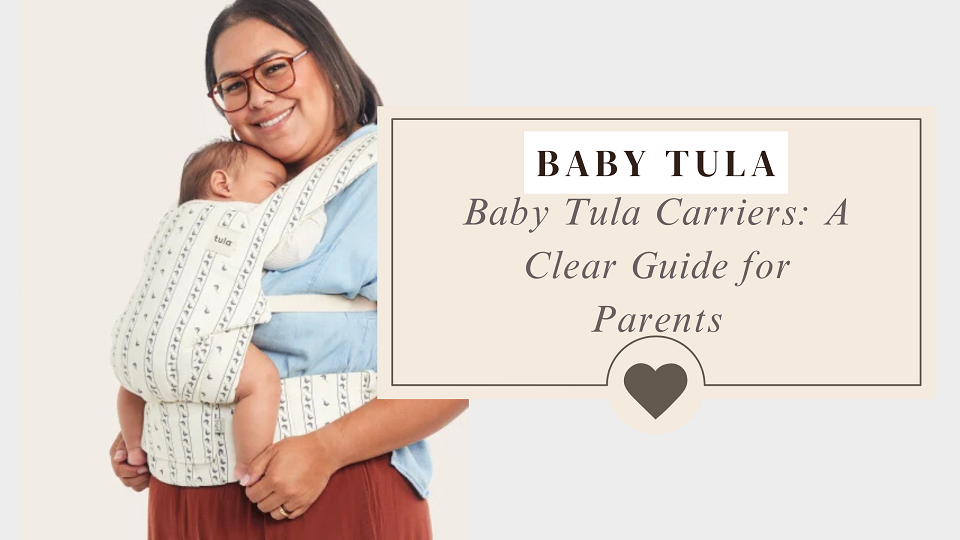
Baby Tula designs soft-structured baby carriers, ring slings, and accessories for everyday babywearing. The brand is known for supportive padding, colorful prints, and carriers intended to work from the newborn stage into the toddler years.
If you are looking into Baby Tula for the first time or deciding between models such as the Free-to-Grow, Explore, Standard, or Toddler carriers, this guide explains the main options, how they differ, and practical points to consider when choosing one for your family in the United States.
What Baby Tula Makes
Baby Tula focuses on ergonomic soft-structured carriers (often called SSCs or buckle carriers) made from cotton, linen, mesh, and specialty fabrics. The company also offers woven ring slings, a compact Lite travel carrier, half-buckle styles, toddler-sized carriers, and accessories such as swaddle blankets and infant inserts.
Most soft-structured Tula carriers share these common features:
Adjustable waistbands and shoulder straps
Panel designs intended to support an M-position seat (knees higher than the bottom)
Removable or adjustable hoods for head support, sun coverage, or privacy
Front pockets for small items
A wide selection of prints and fabric types, including cotton, linen, mesh (Coast), and limited Signature woven collections
Understanding the differences between models helps match a carrier to your baby’s size, preferred positions, and daily needs.
Free-to-Grow
The Free-to-Grow is an adjustable soft-structured carrier designed for use from about 7 to 45 pounds without a separate infant insert. It includes multiple width and height settings so the panel can be narrowed for a newborn and widened as the baby grows.
Carry positions are front-facing inward and back carry (once the baby is developmentally ready). Many parents choose it for its straightforward design and lower bulk when they want one carrier from the early weeks through toddlerhood and do not need a forward-facing option.
Explore
The Explore is the most versatile soft-structured carrier in the lineup. Like the Free-to-Grow, it is intended for roughly 7–45 pounds without an insert and offers adjustable seat width. The main addition is an ergonomic front-facing outward (world-facing) position when the baby has adequate head and neck control.
It also includes a padded head-support pillow that can be adjusted for newborns or taller babies. Families who want the option of outward-facing carries often select the Explore.
Standard (Original Tula Baby Carrier)
The Standard is the classic Tula soft-structured carrier. It is designed for babies from about 15 to 45 pounds on its own. An infant insert is required for babies weighing approximately 7–15 pounds.
It supports front-facing inward and back carry positions. Many families value its simple construction and the large variety of prints available in this style.
Toddler Carrier
The Toddler Carrier is taller and wider than the baby-sized models. It is intended for children roughly 25–60 pounds (typically when a child fits about 2T clothing). It cannot be used with an infant insert or with smaller babies.
Positions are front-facing inward and back carry. It provides extra panel height and support for longer carries with bigger kids.
Lite Compact Travel Carrier
The Lite is a lightweight, packable option that folds into its own hip pouch. It is designed for front-facing inward and back carry and is positioned as a convenient travel or secondary carrier for infants through toddlers.
Ring Slings
Tula Signature woven ring slings are made from soft woven fabric and use two rings for adjustment. They support front (tummy-to-tummy) and hip carries and are suitable from newborn through toddler sizes (manufacturer ranges typically fall around 8–35 pounds depending on the specific sling).
Ring slings offer a different feel from buckle carriers—more wrap-like and quick to put on once the user is comfortable threading and tightening the rings.
Half Buckle Carrier
The Half Buckle combines a structured, buckled waistband with fabric shoulder straps that wrap and tie. It offers front, hip, and back carries and is adjustable for a range of sizes starting from newborn weights.
How to Choose the Right Baby Tula Carrier
Start with these practical questions:
What is your baby’s current weight and age?
Free-to-Grow and Explore are designed to work from about 7 pounds without an insert. The Standard requires the infant insert for smaller babies. The Toddler Carrier starts later (around 25 pounds).
Do you want a forward-facing option?
Only the Explore includes an ergonomic outward-facing position among the main soft-structured carriers.
How important is simplicity versus versatility?
The Free-to-Grow is often preferred for its straightforward adjustability and lower bulk. The Explore adds the outward-facing position and head pillow.
Will you primarily front-carry or also back-carry?
Most soft-structured Tula carriers support both. Back carries generally become more comfortable once a baby has good head control and is closer to sitting independently—always follow the manufacturer’s readiness guidelines.
Do you need something lightweight or travel-friendly?
Consider the Lite or a ring sling for easy packing and quick up-and-downs.
Fabric and climate preferences
Cotton is the everyday standard. Linen and mesh (Coast) options are popular for warmer weather or active use. Signature woven carriers offer a softer, more wrap-like texture.
A short product-finder quiz is available on the official site to help narrow choices.
Safety and Fit Basics
Correct positioning is essential for safe babywearing. Key principles include:
The baby’s airway should remain clear and visible (chin off the chest)
Knees higher than the bottom in an M-position for healthy hip development
The carrier panel supporting the baby up to at least the armpits (or higher for younger babies)
Weight distributed so the caregiver remains comfortable
Tula carriers are acknowledged by the International Hip Dysplasia Institute as hip-healthy when used as directed. Always read the specific instructions that come with your carrier, practice over a soft surface, and stop if anything feels uncomfortable for you or the baby. For newborns or babies with medical needs, consult a pediatrician or certified babywearing educator.
Infant inserts, when required (primarily with the Standard), help create the proper seat depth and height for smaller babies.
Accessories and Related Products
Common accessories include:
Infant inserts for the Standard carrier
Swaddle blankets and cuddle blankets
Replacement or additional hoods
Carrier covers or rain protection in some collections
Tula Mini (a small toy carrier for older siblings)
Many families pair a primary soft-structured carrier with a ring sling for quick carries around the house or shorter outings.
Frequently Asked Questions
Do I need an infant insert with every Tula carrier?
No. Free-to-Grow and Explore are designed for use from about 7 pounds without an insert. The Standard requires the insert for babies under approximately 15 pounds. The Toddler Carrier does not use an insert.
What is the difference between Free-to-Grow and Explore?
Both are adjustable from roughly 7–45 pounds. The main difference is that the Explore adds an ergonomic forward-facing outward position and includes a padded head-support pillow.
When can I start back carrying?
Most soft-structured Tula carriers allow back carries once the baby has sufficient head and neck control and meets the manufacturer’s developmental guidelines—typically when the baby is sitting more independently. Check the specific carrier instructions.
Are Tula carriers good for newborns?
Free-to-Grow, Explore, and properly fitted ring slings or half-buckle carriers can be used with newborns when adjusted correctly and the baby meets the minimum weight. The Standard needs the infant insert for the smallest babies.
Can I breastfeed in a Tula carrier?
Many parents find front carries allow discreet nursing by loosening straps slightly. Practice in a private setting first and ensure the baby’s airway stays open.
How do I wash a Tula carrier?
Follow the care label for the specific fabric. Most cotton carriers can be machine washed on gentle cycles; always check the official care instructions for linen, mesh, or Signature woven pieces.
Where can I buy authentic Baby Tula products in the USA?
The official website (babytula.com) is the primary source. Authorized retailers also carry select models. Buying from official channels helps ensure genuine products and access to support.
Conclusion
Baby Tula offers a range of soft-structured carriers and slings that cover different stages and preferences. The Free-to-Grow provides simple adjustability from newborn to toddler, the Explore adds forward-facing capability, the Standard remains a classic option (with insert for infants), and the Toddler Carrier supports bigger kids. Ring slings, the Lite, and half-buckle styles give additional flexibility for specific situations.
The best choice depends on your baby’s size, the carry positions you want, fabric preferences, and whether you value maximum versatility or maximum simplicity. Review current product details, size and weight guidelines, and care instructions on the official site before purchasing. Correct fit and positioning matter more than any single model name.
For the latest prints, sizing information, instructional videos, and U.S. shopping options, visit the official Baby Tula website.